

If Italian wine had a royal court, Nebbiolo would wear the crown. It's not the most planted grape in Italy, and it's barely grown anywhere outside a tiny corner of Piedmont, yet it produces some of the most collected, most argued about, most quietly powerful wines in the world. Understanding Nebbiolo is understanding why a grape this fussy, this stubborn, and this hard to grow anywhere else still ends up at the top of nearly every serious wine list.
The Kingmaker Grape
Nebbiolo takes its name from "nebbia," the fog that rolls through the Langhe hills of Piedmont in autumn, right around harvest time. It's an early budding, late ripening grape, which makes it notoriously difficult to grow. It also needs very specific soils and a long, gentle ripening season to show its best side. Outside Piedmont and a few pockets of northern Italy, almost nobody bothers with it. That scarcity, combined with the sheer quality of what it can produce, is exactly why Nebbiolo earns the "kingmaker" title. It built the reputation of an entire region.
Barolo: The Wine of Kings
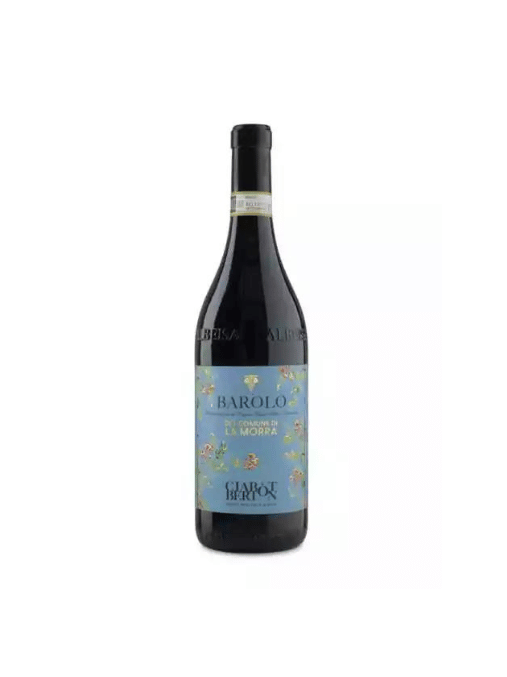
Barolo is Nebbiolo's most famous expression, and for good reason. It has to be made from 100% Nebbiolo, grown within a strictly defined zone around the town of Barolo, and aged for a minimum period before release. Historically, Barolo had a reputation for being fiercely tannic, a wine you needed decades of patience to enjoy. Today, while producers still respect that traditional structure, most Barolo shows a little more finesse in its youth without losing any of the power and complexity that made it legendary in the first place.
This is a wine for people who love structure, depth, and something that keeps unfolding with every sip. Open a bottle early in the evening and it will taste noticeably different by the time you finish the meal.
Langhe Nebbiolo: The Approachable Younger Sibling
If Barolo feels like a big commitment, Langhe Nebbiolo is the easier way in. It's made from the same grape, often from the same hillsides, but without the extended ageing requirements or the price tag that comes with them. Expect all the perfume and elegance of Piedmont, just ready to drink much sooner. Think of it as Barolo's little sibling, fragrant, expressive, and far less demanding of your patience or your wallet.
Barolo vs Langhe Nebbiolo
| Feature | Barolo | Langhe Nebbiolo |
|---|---|---|
| Ageing requirement | Minimum years in oak and bottle before release | Much shorter, ready sooner |
| Body and structure | Full, powerful, built to age | Lighter, fresher, more immediate |
| Price | Higher, reflecting time and rarity | More accessible |
| Best for | Patience, special occasions, cellaring | Everyday drinking, an easy introduction to the grape |
What Nebbiolo Actually Tastes Like
Nebbiolo is all about layers. A good glass will show red berries, rose petals, dried herbs, liquorice, and often a distinctive touch of tar, all wrapped in an earthy, rustic frame. It's a wine that keeps surprising you, a little like walking through the Italian countryside itself, complex, ever changing, and never quite finished revealing itself.
If you enjoy any of these styles, there's a good chance Nebbiolo will win you over too:
- Pinot Noir from Burgundy, for its perfume, elegance and age-worthy structure
- Barbera from Piedmont, for its vibrant acidity and juicy red fruit
- Sangiovese from Tuscany, for its firm tannins and savoury depth
- Cabernet Sauvignon from Bordeaux, for its power, grip and long ageing potential
- Syrah from the northern Rhône, for its dark fruit, peppery spice and earthy character
What to Eat With Barolo and Nebbiolo
- Mushroom risotto, its creamy texture and earthy flavour echo Nebbiolo's depth
- Braised beef short ribs, slow-cooked richness that softens the wine's tannins
- Homemade lasagne, layers of tomato, meat and béchamel that mirror the wine's complexity
- Roast duck with herbs, juicy and savoury, lifted by the wine's perfume
- Slow-roast pork shoulder with fennel and herbs, the rich meat pairs with the structure, while the fennel echoes Nebbiolo's savoury, earthy notes
Our Top Pick: G.D. Vajra Barolo Albe
Choosing a favourite Barolo is a bit like choosing a favourite child, genuinely difficult, but it's hard to look past the Albe from G.D. Vajra. Founded in 1972 by Giuseppe Domenico Vajra in the highest village of Barolo, the winery is now run by his son Aldo and the family, farming their own 40 hectares at 400 metres altitude. Albe has vibrant fruit that makes it approachable early, alongside the structure to age for up to fifteen years if you have the patience for it.
It hasn't gone unnoticed either. The current vintage of G.D. Vajra Barolo Albe landed at number nine on Wine Spectator's Top 100 wines of 2024, recognised as one of the most exciting releases of the year. It's proof that Barolo doesn't always have to mean an eye-watering price tag or decades in a cellar to be genuinely excellent.
Finding Your Way to Nebbiolo
Whether you start with an easy, fragrant Langhe Nebbiolo or go straight for the structure and prestige of a proper Barolo, you're tasting one of the most singular grapes in wine. Few varieties reward patience and attention quite like this one, and few grapes have built an entire region's reputation so completely on their own.
Explore our full range in the Nebbiolo Collection and find your own way into the king of Italian wine.




0 comments